How to Get the Most Out of Your Camping Food
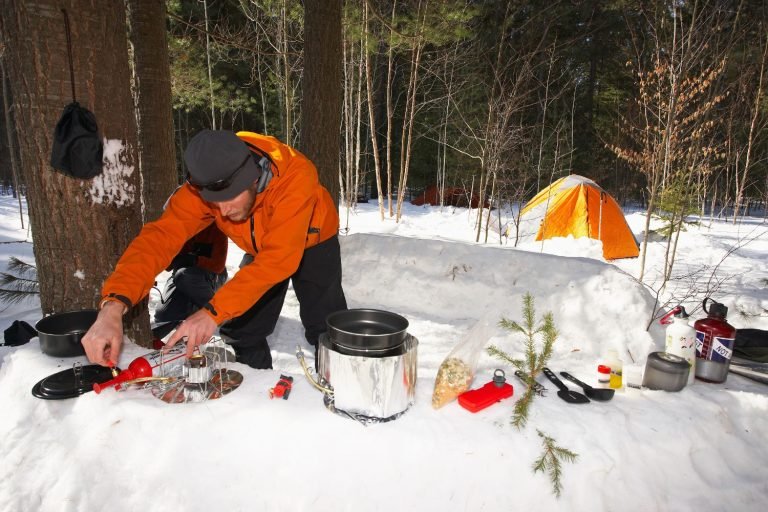
A camping trip is one of the best ways to enjoy the great outdoors, whether you’re spending a weekend at a campground or heading deep into the wilderness. While summer remains the most popular season for camping in the USA, many outdoor enthusiasts also enjoy cold-weather adventures throughout the year.
No matter where you camp, one thing can make or break your experience: camping food. Proper meal planning, food storage, and smart packing can help keep everyone energized, satisfied, and ready for adventure.
Plan Your Camping Meals Ahead of Time
Before heading out, consider how long you’ll be camping and how many people will be in your group. Outdoor activities such as hiking, fishing, kayaking, and setting up camp burn a lot of energy, which means you’ll likely be hungrier than usual.
Instead of focusing solely on the quantity of food, prioritize nutritious camping meals that provide lasting energy. Foods rich in protein, healthy fats, and complex carbohydrates can help keep you fueled throughout the day.
However, don’t sacrifice enjoyment for nutrition. Camping should be fun, so pack foods you genuinely enjoy eating. While energy bars and trail mix are convenient snacks, they shouldn’t be the only items on your menu.
A balanced camping food plan should include:
- Protein-rich foods such as jerky, canned tuna, beans, and nuts
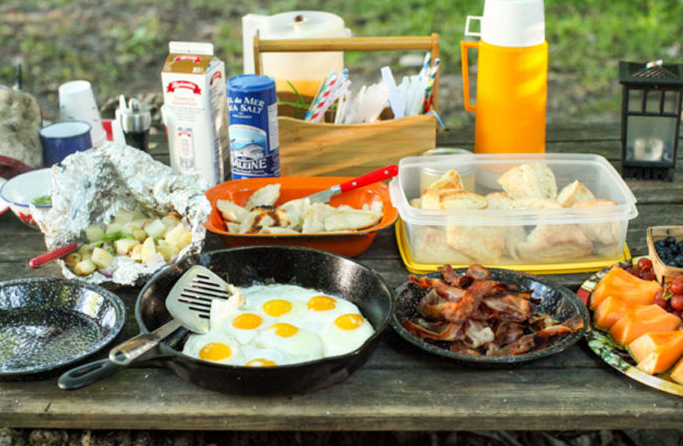
- Easy-to-prepare breakfasts like oatmeal and granola
- Fresh fruits and vegetables when possible
- Convenient snacks for hiking and outdoor activities
- Ingredients for at least one memorable campfire meal
Pack Camping Food Efficiently
Smart packing makes meal preparation much easier at the campsite. Organize food by meal and label containers whenever possible. This prevents unnecessary digging through coolers, storage bins, or backpacks.
If you’re backpacking, place foods in the order you’ll need them. Meals for the first day should be easily accessible, while foods intended for later in the trip can be packed deeper inside your bag.
Some helpful camping food packing tips include:
- Use airtight containers to keep food fresh
- Separate meals into individual portions
- Keep dry foods away from moisture
- Store perishables in a quality cooler with plenty of ice
- Bring resealable bags for leftovers and waste
Keep Food Safe While Camping
Food safety is especially important when camping. Unlike at home, refrigeration and storage options may be limited.
To help prevent food spoilage:
- Keep cold foods below 40°F whenever possible
- Store raw meats separately from ready-to-eat foods
- Replenish cooler ice as needed
- Wash hands before handling food
- Dispose of leftovers that have been sitting out too long
Proper food storage not only protects your health but also helps keep wildlife away from your campsite.
Plan at Least One Traditional Campfire Meal
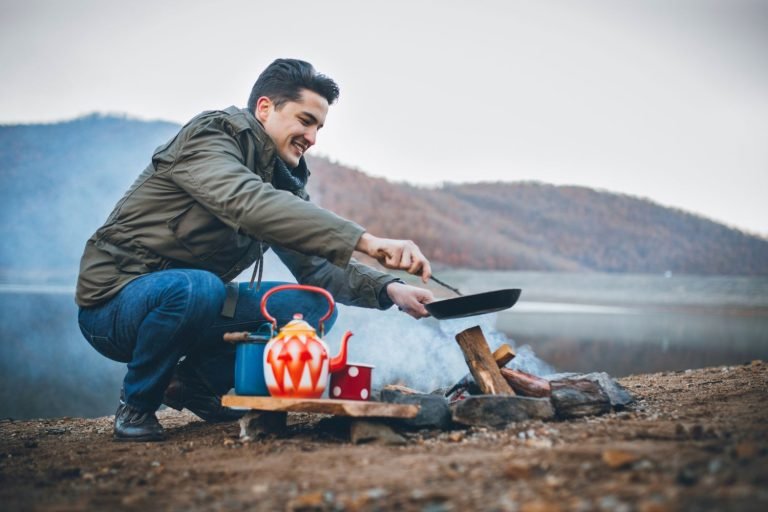
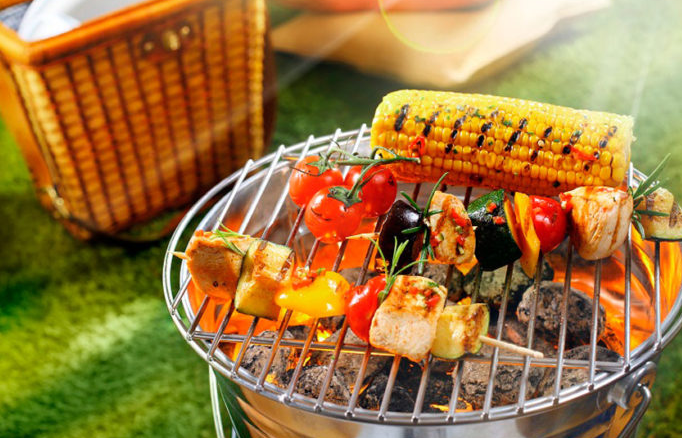
One of the highlights of any camping trip is cooking outdoors. In today’s world of convenience foods and portable gadgets, it’s easy to overlook the simple pleasure of preparing a meal over a campfire.
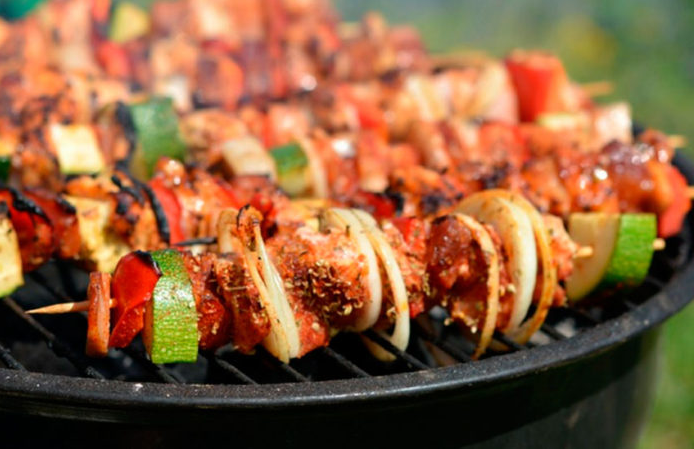
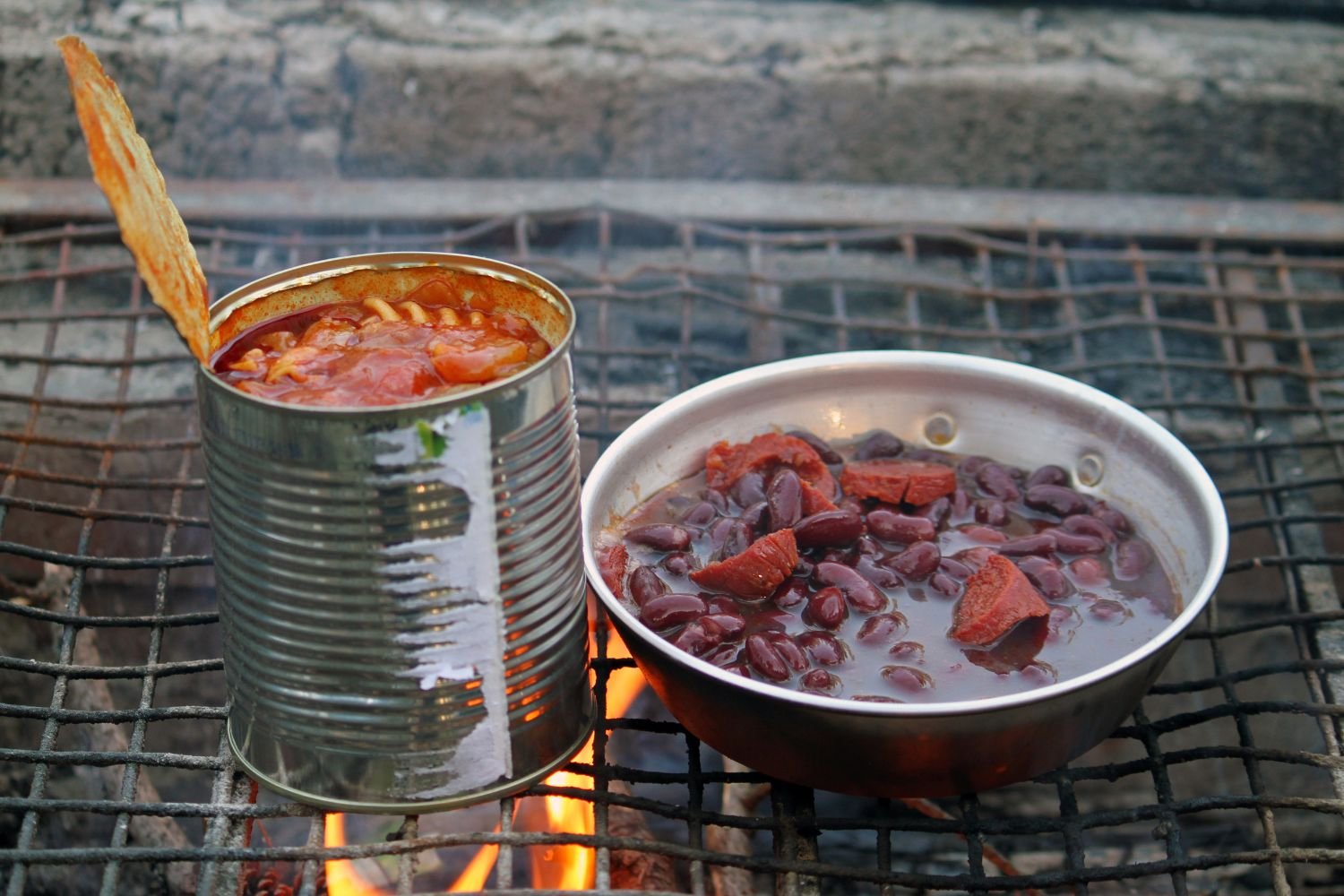
Consider planning at least one traditional camping meal from scratch. Whether it’s foil packet dinners, campfire chili, grilled burgers, or classic s’mores, these meals often become the most memorable part of the trip.
Cooking together around the fire creates opportunities for conversation, relaxation, and family bonding that are difficult to replicate elsewhere.
Make Camping Food Part of the Adventure
Camping is about escaping everyday routines and reconnecting with nature. Great camping food adds to that experience by bringing comfort, energy, and enjoyment to every day outdoors.
With thoughtful meal planning, efficient packing, and a few classic campfire recipes, you can turn simple meals into lasting memories. Don’t let convenience replace the traditions that make camping special. A little preparation goes a long way toward creating an unforgettable outdoor adventure.
Final Thoughts
The best camping food is a balance of nutrition, convenience, and enjoyment. By planning ahead and embracing the outdoor cooking experience, you’ll get the most out of every camping trip while creating memories that last long after the campfire goes out.