How to Prepare Food for a 3-Day Camping Trip: Complete USA Camping Meal Guide
Planning a camping trip is exciting, but many campers leave food planning until the last minute. Unfortunately, poor meal preparation can lead to boring meals, wasted food, and unnecessary stress at the campsite.
Whether you’re camping in a national park, state campground, or remote wilderness area in the United States, having a well-planned food strategy will make your trip more enjoyable. This guide explains exactly how much food to bring for a three-day camping trip, how to keep food fresh, and provides a practical 3-day camping meal plan.
How Much Food Should You Bring for a 3-Day Camping Trip?
A three-day camping trip is the perfect length for simple meal planning. You’ll need enough food to keep your energy levels high while minimizing waste and storage issues.
Most adults should plan for approximately 2,500–3,500 calories per day, depending on their activity level. If you’ll be hiking, kayaking, fishing, or participating in other outdoor activities, your calorie requirements may be even higher.
A good camping food plan includes:
- Hearty breakfasts
- Quick and portable lunches
- Filling dinners
- High-calorie snacks throughout the day
The Three Essential Types of Camping Meals
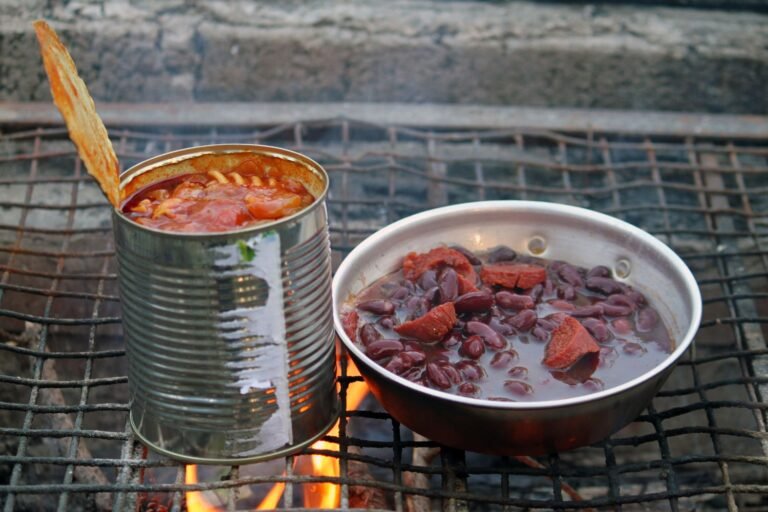
1. Campfire and Camp Stove Meals
These meals provide the majority of your daily calories and are typically eaten at breakfast and dinner.
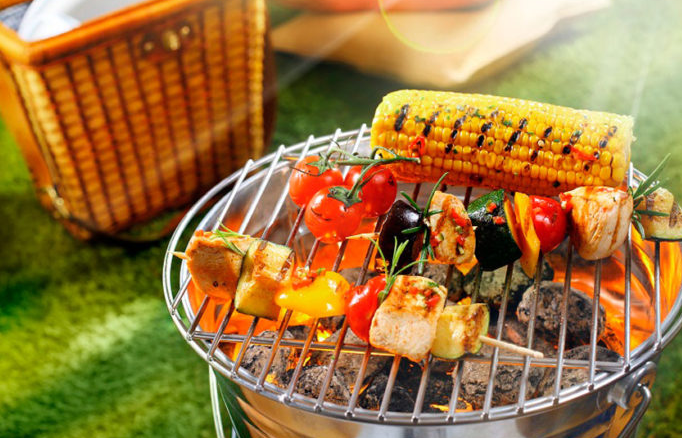
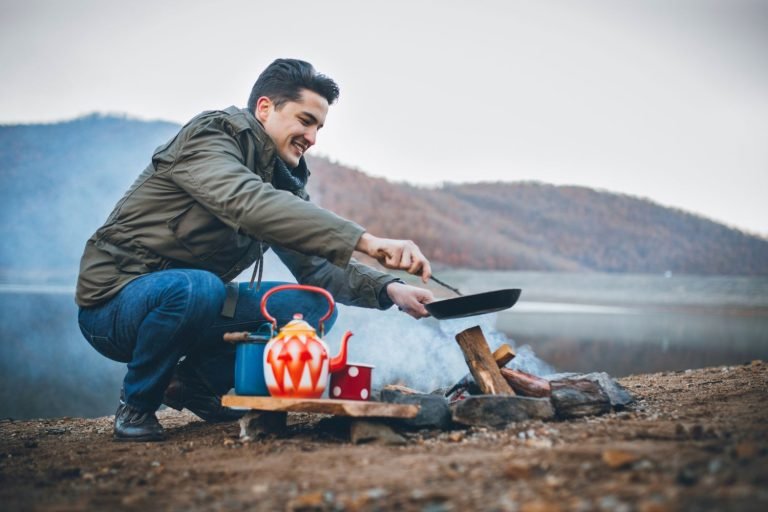
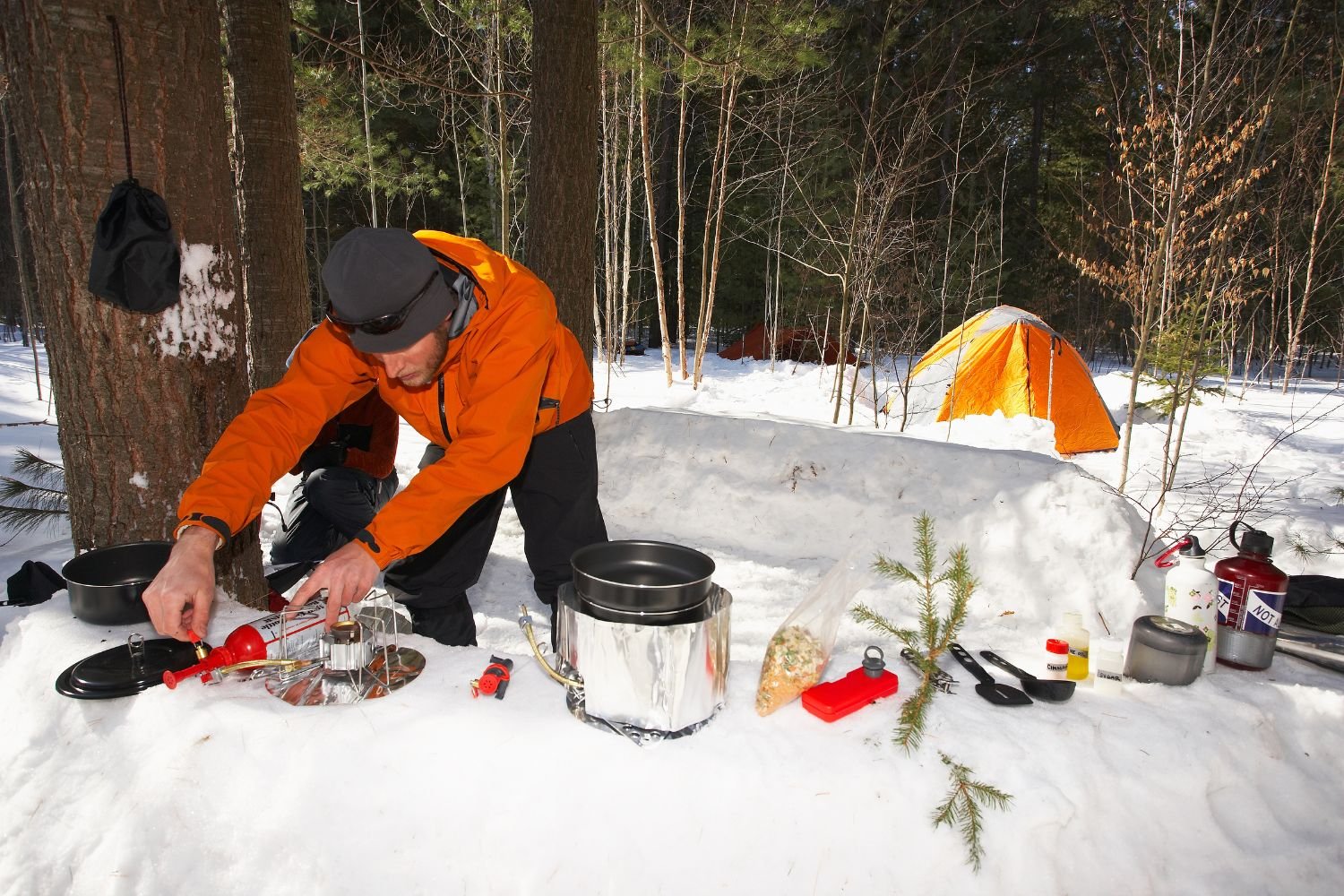
When camping near your vehicle, you can cook almost anything using a portable camping stove, grill, or campfire. However, simple recipes usually work best.
A successful camping meal generally includes:
- A protein source (beef, chicken, sausage, eggs, fish)
- Vegetables
- A carbohydrate (potatoes, rice, pasta, bread)
Choose meals with 5–7 ingredients whenever possible to simplify preparation and cleanup.
2. Quick Grab-and-Go Lunches
Lunch should be fast and convenient. Most campers prefer spending their afternoons exploring rather than cooking.
Great camping lunch options include:
- Deli sandwiches
- Tortilla wraps
- Pasta salad
- Potato salad
- Fresh fruit
- Simple green salads
Preparing ingredients at home can save valuable time at camp.
3. High-Calorie Trail Snacks
Snacks are essential when camping and hiking.
Popular camping snacks include:
- Trail mix
- Mixed nuts
- Beef jerky
- Granola bars
- Protein bars
- Crackers
- Dried fruit
These foods are lightweight, portable, and provide quick energy throughout the day.
Prepare Food Before Leaving Home
One of the easiest ways to improve your camping experience is to do most of the food preparation before departure.
Before leaving:
- Chop vegetables
- Measure ingredients
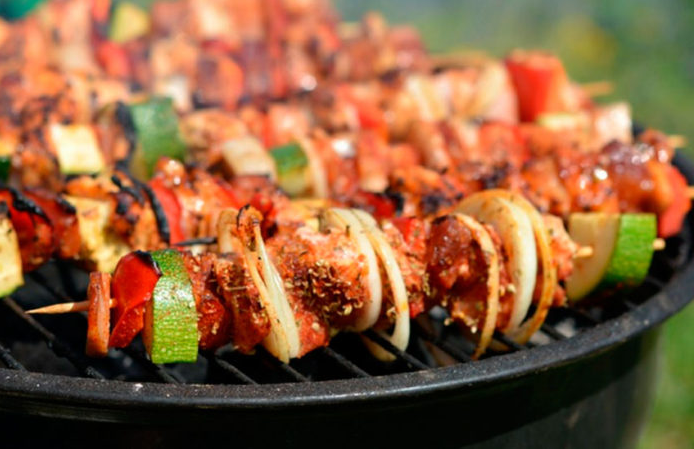
- Marinate meats
- Portion snacks
- Pre-cook ingredients when possible
This reduces campsite cleanup and makes meal preparation significantly easier.
Bring More Food Than You Think You’ll Need
Many first-time campers underestimate how many calories they burn outdoors.
Activities such as:
- Hiking
- Gathering firewood
- Setting up camp
- Fishing
- Swimming
- Exploring
can dramatically increase daily energy expenditure.
Always pack extra snacks and backup meal options. Running out of food is far worse than bringing home leftovers.
How to Keep Food Cold While Camping
Food safety is critical during any camping trip.
Use a Quality Cooler
A well-insulated cooler can keep food cold for several days when used correctly.
For best results:
- Pre-chill the cooler before packing
- Use plenty of ice or frozen water bottles
- Keep the cooler in the shade
- Limit how often it is opened
- Store drinks in a separate cooler
Freeze Food for Later Meals
Freeze meats and meals intended for Day 2 or Day 3. They will gradually thaw while helping keep the cooler cold.
Use Waterproof Containers
Protect foods from melting ice by storing them in sealed containers or zip-top bags.
Sample 3-Day Camping Menu
Day 1
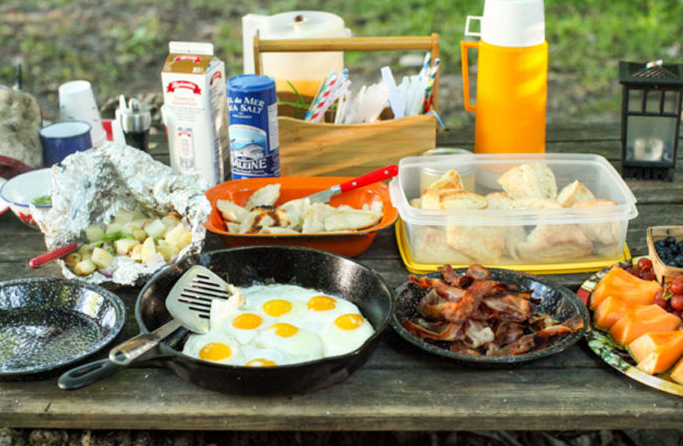
Breakfast: Campfire Breakfast Scramble
Ingredients:
- Eggs
- Potatoes or hash browns
- Bacon or sausage
- Bell peppers
- Onions
- Cheese
Serve with:
- Toast
- Fresh fruit
- Coffee
Lunch: Deli Sandwiches
Build-your-own sandwiches with:
- Turkey, ham, or roast beef
- Cheese
- Lettuce
- Tomatoes
- Onions
- Condiments
Dinner: Easy Campground Pasta
A simple pasta dinner is filling and easy to prepare.
Options include:
- Spaghetti with meat sauce
- Alfredo pasta with chicken
- Sausage and vegetable pasta
Day 2
Breakfast: Fluffy Pancakes
Serve with:
- Maple syrup
- Fresh berries
- Coffee
Add bacon or sausage for extra protein.
Lunch: Leftovers and Fresh Sides
Combine leftovers with:
- Potato salad
- Pasta salad
- Fruit
- Green salad
Dinner: Grilled Favorites
Choose from:
- Steaks
- Burgers
- Hot dogs
- Sausages
- Fresh-caught fish
Foil packet meals are also excellent. Combine meat, potatoes, onions, peppers, and seasonings in foil and cook over hot coals.
Day 3
Breakfast: French Toast, Eggs, and Bacon
This is an excellent way to use up remaining ingredients before heading home.
You’ll need:
- Bread
- Eggs
- Milk
- Vanilla extract
- Bacon or sausage
Lunch: Tortilla Wraps
Try:
- Chicken Caesar wraps
- Turkey club wraps
- BBQ chicken wraps
- Southwest-style wraps
They’re easy to prepare and perfect for travel.
Dinner: Chili (Optional)
If you’re staying another night, a large pot of chili is a great choice.
Ingredients may include:
- Ground beef
- Beans
- Tomatoes
- Peppers
- Onions
- Chili seasoning
If you’re heading home, consider packing up early and grabbing dinner on the road instead.
Final Thoughts
Successful camping meals don’t need to be complicated. Focus on foods that are easy to transport, simple to prepare, and satisfying after a long day outdoors.
By planning meals ahead of time, preparing ingredients at home, and packing plenty of snacks, you’ll spend less time cooking and more time enjoying your camping adventure.
Whether you’re camping in the Rocky Mountains, Yellowstone National Park, the Great Smoky Mountains, or your local campground, a well-organized meal plan can make your entire trip more enjoyable.