Your Ultimate Guide to a Successful Camping Trip: Tips for First-Time Campers in the USA
Camping remains one of America’s favorite vacation traditions, offering the perfect blend of adventure, relaxation, and quality time with loved ones. Whether you’re dreaming of a peaceful forest retreat or an action-packed outdoor expedition, the beauty of camping lies in its versatility—you can tailor every aspect to match your preferences, skill level, and comfort needs.
The best way to master the art of camping is simply to get out there and try it. Yes, you might encounter a few bumps along the way, but that’s all part of the adventure. Seasoned campers will tell you that no trip ever goes exactly as planned, and those unexpected moments often become the most cherished memories. Once you’ve got the basics down, each camping experience will build on the last, making you a more confident and prepared outdoor enthusiast.
This comprehensive guide will walk you through everything you need to know for your first successful camping expedition in the United States.
Choosing Your Camping Shelter: Finding the Perfect Home Away From Home
Your shelter is the foundation of any successful camping trip. The ideal camping accommodation should be easy to set up while keeping you dry, warm, and safe from the elements. While tents remain the most popular choice for their portability and versatility, there are several options to consider based on your needs and comfort level.
Tent Camping: The Classic American Experience
Tents come in countless shapes and sizes, with varying levels of weather protection and insulation. Some are designed for solo adventurers, while others offer multiple rooms to accommodate the whole family. Before purchasing your first tent, consider these important factors:
Your specific needs: Tents work well for most campers, but they aren’t for everyone. Older adults or those with mobility issues might prefer elevated sleeping options. Families with young children or energetic dogs should choose tents with sturdy construction and ample space.
Weather considerations: Tents don’t come with climate control. For hot weather camping, you can position your tent in the shade or bring a battery-operated fan. Cold weather camping requires extra preparation—while tent heaters exist, they must be used with extreme caution due to fire and carbon monoxide risks.
Setup difficulty: Some tents are more challenging to assemble than others. If you’re new to camping, research your tent’s setup process before you leave home. Read the manual, watch tutorial videos, and consider practicing in your backyard first.
Alternative Lodging Options
Cabins
Cabins offer a perfect middle ground for those who want the camping experience without sleeping on the ground. Available at many Kampgrounds of America (KOA) locations and other campgrounds nationwide, cabins range from basic shelters to deluxe units with kitchenettes and TVs. They’re ideal for families, groups of friends, or anyone celebrating a special occasion who wants to ease into the camping lifestyle.
Glamping
The glamping trend has exploded across the US, offering beginners a luxurious entry point into outdoor living. Glamping tents come fully furnished with comfortable beds, decorative touches, and sometimes even electricity. Beyond tents, you’ll find unique accommodations like renovated cabooses, yurts, and even treehouses at glamping resorts nationwide.
RV Camping
Recreational vehicles provide the flexibility of tent camping without the setup hassle. RVs handle various weather conditions well and often feature full hookups for electricity, water, and sewage. They’re particularly popular with families who travel frequently. However, RVs require some technical know-how for setup and maintenance. If you’re considering buying an RV, start by renting one for a test trip to see if it fits your style.
Essential Tent Setup Tips for Beginners
Setting up your tent correctly ensures a comfortable and safe camping experience. Follow these expert tips:
Know your tent type: Dome, A-frame, popup, and ridge tents each have unique setup requirements. Always consult your owner’s manual for specific instructions.
Choose the perfect spot: Look for level ground in a shaded area, away from fire pits, rocks, and tree roots. Avoid low-lying areas where water might collect during rain.
Secure your shelter: Bring extra stakes for anchoring your tent and tarp. Drive stakes deep into the ground and mark them clearly to prevent tripping hazards.
Enhance comfort: Select a tent with windows for natural light and ventilation. Consider bringing a battery-powered fan or tent-safe heater for temperature control. Sleep on a cot, inflatable mattress, or sleeping pad to stay warmer and wake up without muscle aches.
Practice camping etiquette: Keep noise levels down during quiet hours, never shine flashlights into others’ tents, and always follow Leave No Trace principles by leaving your campsite cleaner than you found it.
Selecting Your First Camping Destination: Close to Home vs. New Adventures
Choosing the right location can make or break your first camping experience. Here’s what to consider:
Factors to Consider When Choosing a Campsite
Your camping goals: Are you seeking to explore new places, spend quality time with family around a campfire, or immerse yourself in nature? Your objectives will guide your destination choice.
Season and weather: Choose locations that offer suitable conditions for your preferred camping season. Consider potential rainfall, temperature ranges, and seasonal attractions.
Accessibility: If camping with young children or elderly family members, avoid sites requiring strenuous hikes or backpacking. Ensure the location is accessible for everyone in your group.
The Benefits of Camping Close to Home
More than half of American campers travel fewer than 100 miles from home. Local camping offers several advantages:
- Convenience: If you forget essential gear, you can easily return home to retrieve it
- Shorter travel times: Perfect for beginners wanting a low-stress introduction to camping
- Flexible planning: Closer destinations require less preparation and allow for spontaneous trips
- Discover local treasures: Explore regional parks and natural areas you might otherwise overlook
Why Explore New Destinations?
Venturing further from home opens up exciting possibilities:
- New experiences: Discover different landscapes, wildlife, and local cuisines
- Scenic travel: Enjoy road trips or flights that offer memorable views
- Cultural exploration: Meet people from different regions and experience diverse local cultures
- Extended vacations: Longer distances naturally justify lengthier stays
Camping Gear Checklist: What Every Beginner Needs
Proper preparation starts with packing the right equipment. Use this checklist to ensure you don’t forget anything essential.
Sleep Essentials
- Sleeping bags or quilts
- Sleeping pads, inflatable mattresses, or cots
- Your favorite pillow from home (comfort is key when adapting to new sleeping arrangements)
- Eye masks or white noise devices for better sleep
Lighting and Fire Supplies
- Headlamps, flashlights, and lanterns
- LED tube lights for ambient lighting
- Firewood, matches, lighters, and fire starters
- Extra batteries for all devices
Campsite Comfort Items
- Camping chairs
- Plastic tablecloths with clips for picnic tables
- Insect-repelling candles
- Small tables and shade structures
- Outdoor mats to keep dirt out of your shelter
Hygiene and Personal Care
- Towels, washcloths, soap, and shampoo
- Shower shoes and toothbrush/toothpaste
- Contact lens supplies if needed
- Robe and slippers for extra comfort
Cleaning Supplies
- Trash bags
- Paper towels and cleaning sponges
- Disinfecting wipes
Personal Items
- Wallet, backup cash, and keys
- Lip balm
- Required permits or licenses
- Event tickets or parking passes
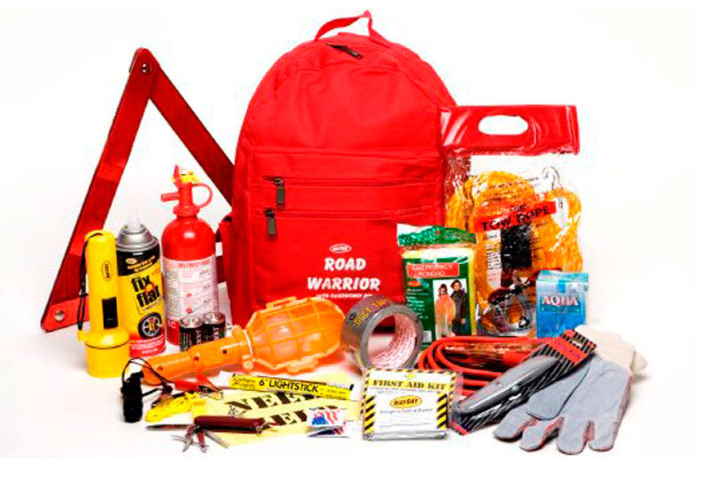
Safety Essentials
- Insect repellent and sunscreen
- Water bottles and hydration systems
- First-aid kit
- Portable fire extinguisher
- Local field guide (helpful for exploring new areas)
Cooking Equipment
- Pots, pans, tongs, and spatulas
- Grill grate for open-fire cooking
- Roasting forks for marshmallows
- Coffee percolator or French press
- Plates, bowls, and utensils
Pet and Child Supplies
For pets:
- Leash and harness
- Food and water dishes
- Toys and bedding
- Pet first-aid kit and vaccination records
- ID tags with current contact information
For children:
- Stroller or portable play area
- Portable crib or sleeping space
- Age-appropriate toys and activities
- Child-safe first-aid supplies
- Kid-friendly meals and snacks
Clothing Guide for All Seasons
- Rain gear: Waterproof boots, raincoat, and umbrella
- Layering pieces: Long-sleeve shirts, lightweight tops, and jackets
- Extras: Extra socks and underwear
- Swimwear: Swim trunks or suit with sandals
- Headwear: Sunhat, visor, or beanie depending on weather
- Footwear: Hiking boots and comfortable walking shoes
- Winter extras: Thermal layers, gloves, scarf, insulated coat, thick socks, and long pants
Camp Meal Planning: Delicious Food Made Simple
Smart meal planning saves time, money, and stress at the campsite. Here’s how to approach camp cooking:
Essential Camp Cooking Staples
Pantry basics: Stock up on seasoning mixes, spices, dried herbs, cooking oils, salt, pepper, condiments, and sauces. Organize these based on your menu plan—if grilling, bring barbecue seasoning or sauce.
Non-perishable snacks: Kettle corn, jerky, trail mix, chips, pretzels, cereal, granola, and s’mores ingredients are great for quick energy boosts.
Meal staples: Potatoes, eggs, grilled meats, breakfast meats, fresh fruit, sandwiches, canned beans, and soups provide hearty, satisfying meals. Don’t forget bottled water, juice, and soft drinks.
Smart Meal Planning Tips
Consider dietary needs: Accommodate all campers with vegetarian, vegan, pescatarian, dairy-free, or gluten-free options as needed.
Prep at home: Cut vegetables, mix omelet ingredients, and prepare as much as possible before leaving home to save space and time at the campsite.
Use storage containers: Plastic food storage containers and zip bags keep prepped ingredients fresh and organized in your cooler.
Multi-purpose ingredients: Choose items that work in multiple meals—like potatoes, versatile sauces, or fresh vegetables—to reduce waste and save space.
Plan for extra calories: Outdoor activities burn more energy than usual. Pack plenty of high-energy snacks and extras.
First-Time Camper Tips: Make Your Trip Unforgettable
Follow these expert recommendations to ensure your first camping adventure is a resounding success:
1. Test New Equipment at Home
Never bring untested gear into the wilderness. Set up your tent in the backyard, check that sleeping bags are comfortable, and verify that flashlights and lanterns work properly. Test portable stoves or grills and adjust hiking backpacks for a perfect fit. Pack extra batteries for everything.
2. Celebrate Special Occasions
Camping makes every occasion more memorable. Consider celebrating:
- Birthdays with s’mores and campfire songs
- Anniversaries with romantic stargazing
- Bachelor/bachelorette parties with group activities
- Bridal or baby showers with unique outdoor themes
- Family reunions with shared meals and activities
Check with your campsite about group accommodations and event planning options.
3. Camp Year-Round
While summer camping is classic, each season offers unique advantages:
- Spring: Enjoy cool temperatures and spectacular wildflower displays
- Summer: Perfect for swimming, water sports, and extended daylight hours
- Autumn: Stunning foliage and comfortable hiking weather
- Winter: Unique wildlife viewing, snow sports, and peaceful landscapes with cozy all-season accommodations
4. Bring Recreational Equipment and Games
Outdoor activities enhance any camping experience. Popular options include:
- Hiking and sightseeing
- Biking on scenic trails
- Bird watching and wildlife photography
- Canoeing, kayaking, and boating
- Backpacking and trail running
- Horseback riding and rock climbing
- Lawn games like cornhole, ladder ball, and horseshoes
Don’t forget rainy-day entertainment like cards, board games, and books.
5. Follow Campground Rules
Campsite regulations exist for everyone’s safety and enjoyment. Common rules address:
- Vehicle limits and parking restrictions
- Maximum occupancy and visitor policies
- Pet regulations and leash requirements
- Quiet hours and noise levels
- Campsite cleanliness and public area use
Request a rules list from staff or check the campground’s website before booking.
6. Embrace Spontaneity
It’s natural to over-plan your first camping trip. Remember that the best moments often happen spontaneously—an unexpected hiking trail, a friendly conversation with fellow campers, or discovering a new skill or interest. While staying safe and prepared is essential, leave room for adventure and surprises.
Ready to Start Your Camping Adventure?
Camping offers endless opportunities for connection, discovery, and fun. Whether you’re planning a weekend getaway at a local state park or a cross-country RV adventure, proper preparation ensures a safe and memorable experience. Remember that every seasoned camper started as a beginner, and each trip brings new lessons and cherished memories.
Start small, pack smart, and embrace the adventure. Your perfect camping trip is waiting—all you need to do is get out there and enjoy America’s great outdoors.